Zagour Hotel: At the Gates of the Sahara


The small airport of Ouarzazate immediately reminded me of Tucson, Arizona—surrounded by a vast semi-desert plain under a perfectly clear blue sky. Stepping onto the tarmac, I was warmly greeted by Mohammed, the owner's son, and Lhoucine, the sales manager of the Zagour Hotel. I was welcomed as if I were an official ambassador for French guesthouses.
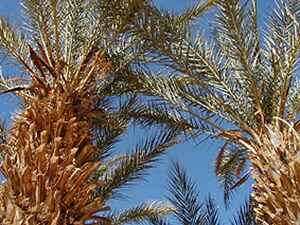
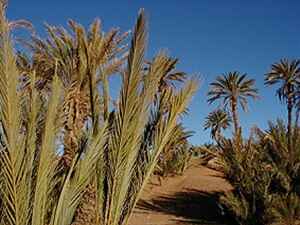
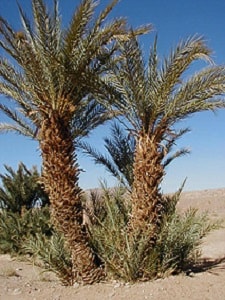
Settling into a vintage 1970s yellow Mercedes taxi, Lhoucine casually informed me that Zagora was still 160 kilometers away—meaning they had driven 320 kilometers round trip just to pick me up! After a quick coffee on a sun-drenched terrace in downtown Ouarzazate and a brief glimpse of an open-air movie set, we hit the winding desert roads. To call it a "road" might be an overstatement, especially since it ends abruptly after Zagora, swallowed by the vast expanse of the Sahara. From there, it famously takes 52 days by camel to reach Timbuktu in Mali. We sped through lush palm groves, arid stretches, and small villages; despite the narrow path, a quick honk was all it took to clear the way.
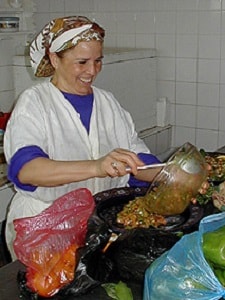
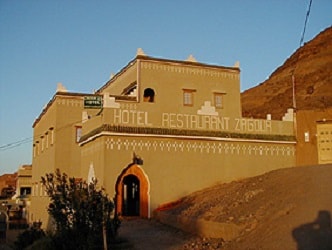
The Zagour Hotel is perched on a hillside just beyond Zagora, offering sweeping views of the lush palm grove and the golden setting sun. The property features three beautiful terraces, eighteen comfortable rooms, a lovely swimming pool, and a large, traditionally decorated restaurant. A dedicated team of eleven people keeps the place running smoothly: the receptionist, the night guard, Lhoucine, the waiter, the housekeepers, the accountant, the tour organizer, and Fatima, the brilliant cook with a constantly radiant smile, along with her assistant.
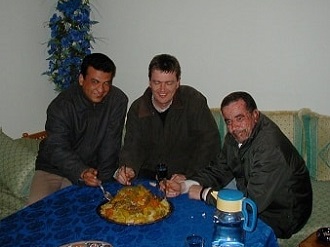
Mr. Benlhou graciously invited us into his home for dinner, served in a spacious room reserved for special guests. Open-minded and highly engaging, he sparked a lively conversation that made for a truly memorable evening of genuine exchange. A successful businessman by nature, his quiet charisma and calm demeanor left a lasting impression on my stay. What struck me most was the deeply warm, familial atmosphere in the kitchen—thanks largely to Fatima—which contrasted beautifully with the more formal restaurant and the private lounge where we enjoyed her delicious couscous.
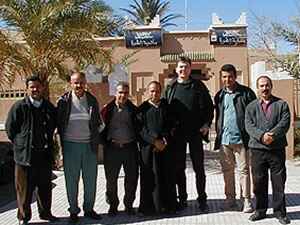
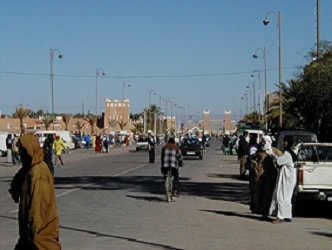
Zagora's streets exude a uniquely captivating atmosphere. People go about their daily business without any sense of stress, moving in a natural, peaceful harmony. A wide, straight avenue leads to a massive fortified archway at the city's entrance. Zagora stands proudly as the final major outpost before the Sahara—the last palm grove, the final supply stop, and the last reliable internet connection. Strolling toward the souk, I noticed that, much like in the small village markets of southern France, locals gather here more to chat and connect than to actually shop. We even bumped into the "Pasha" (the town's mayor) and his team chatting in front of the town hall.
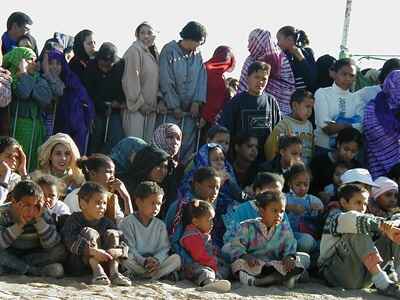
The town feels completely prepared to offer whatever services are needed to ensure everything runs smoothly. Over the past decade, Zagora has experienced a real estate boom, particularly within the highly sought-after palm grove. The region's main assets are undeniable: the awe-inspiring desert right at its doorstep, guaranteed year-round sunshine, and unforgettable hikes led by local Berbers and their camels. Lhoucine quickly offered to organize a multi-day bivouac trip for me to discover the sheer magic of these vast desert spaces.
Back at the hotel, my hosts introduced me to a mustachioed gentleman. Pulling out a worn portfolio, he proudly displayed press clippings and photographs of his astonishing feats as a local popular entertainer. The pictures showed him piercing himself with nails and knitting needles, and finally being hoisted into the air by a tractor, suspended only by hooks embedded deeply in his flesh!
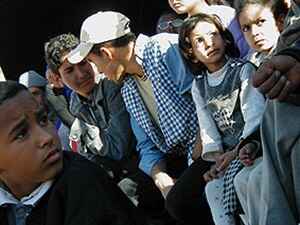
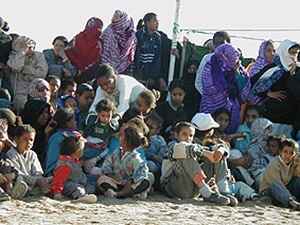
His performance was scheduled for the very next day at the municipal sports field. Five of us crammed into Lhoucine's large Mercedes, blasting lively music by Samira Said and Cheb Mami. A frenzied crowd eagerly awaited our arrival, treating us as if we were visiting VIPs. There were absolutely no tourists here; it was a raw, authentic show meant purely for the locals. Perhaps the spectators assumed I was the show's promoter, especially since our fakir artist insisted on formally introducing me to the town's dignitaries seated in the front row.
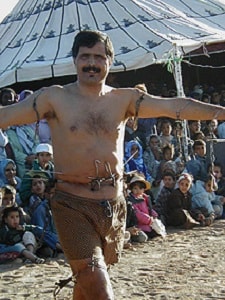
Suddenly, I felt two or three thousand curious, admiring glances directed my way—not to mention the slight guilt of knowing all these humble people had paid for their tickets while I had not. The omnipresent portraits of the King, national flags, and vigilant police officers set a formal tone. Interestingly, the police kept a very close eye on the lively families and their countless, energetic children.
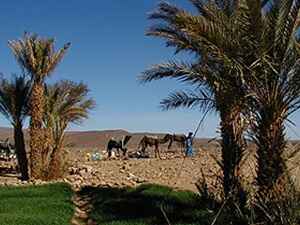
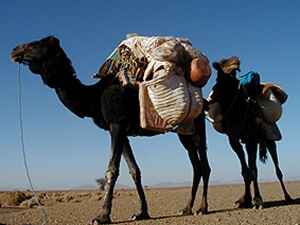
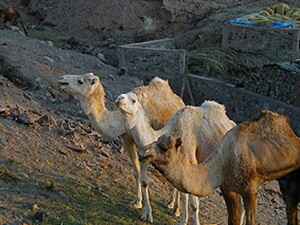
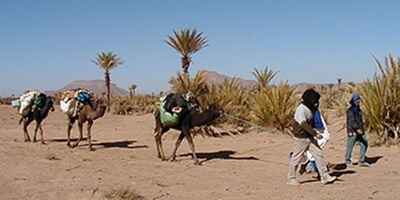
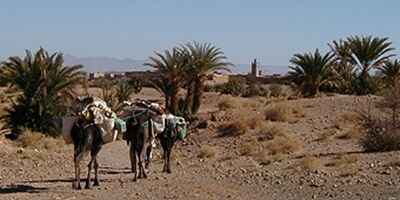
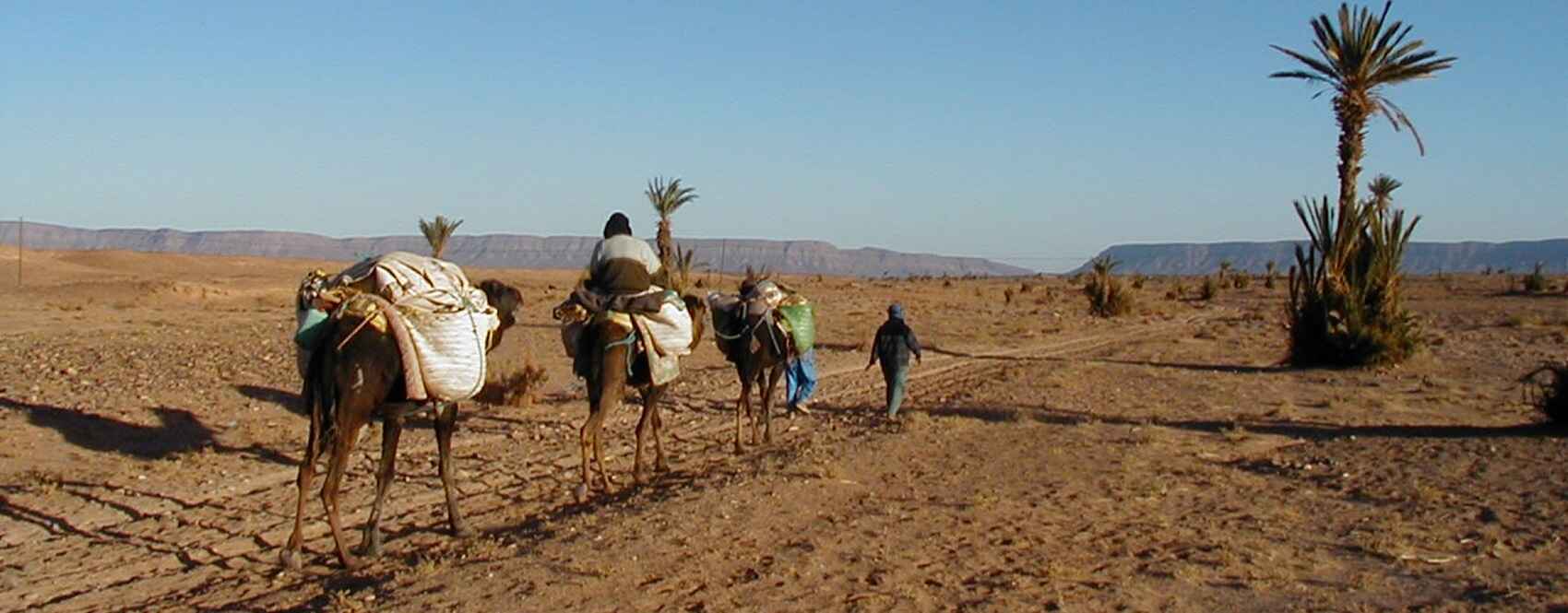
The next morning, we set off slightly late with Lhoucine, our camel driver Mohammed, and two trusty camels. We left the small town of Zagora behind, heading toward the desert and the final rocky barriers before reaching M'hamid and the deep Sahara. Our four-day trek involved walking about 20 kilometers a day under a fierce sun and a brilliant, cloudless sky.
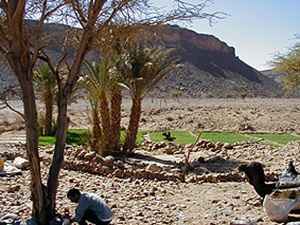
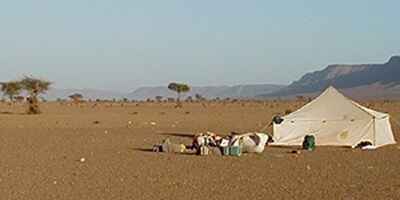
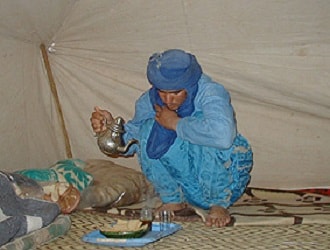
Mohammed is a savvy, 22-year-old Berber. Highly professional, he effortlessly played the roles of guide, cook, and camel driver. He set our walking pace and completely immersed us in a different way of life, teaching us how to truly experience the desert and its hidden palm groves. He prepared healthy, flavorful meals, always served with hot, sweet tea under a traditional Berber tent, or simply in the shade of a lone acacia, a palm tree, or a crumbling mud wall.
Cooking under a low tent requires immense flexibility and sharp organization. Squatting down, Mohammed kept everything within arm's reach in small, organized bags, making the whole process look incredibly simple. Picturing myself back in my spacious, modern kitchen at L'Etoile, I felt as clumsy and heavily equipped as a medieval Crusader charging on horseback! Out here, everything is fluid and adaptable; life is embraced organically rather than strictly controlled.
On our second day, we crossed paths with a group of three camel drivers and seven French tourists setting up their bivouac in the dunes. Outfitted with high-tech hiking boots, convertible trekking pants, and an abundance of sunscreen, they stood in stark contrast to our camel driver friends, who often spend over a month navigating the harsh desert in old sneakers or simple, worn leather sandals.
By the following day, the first painful blisters had inevitably appeared among my well-equipped compatriots. I myself felt a slight tightness on the top of my left foot by day three, but overall, I was perfectly fine. I thoroughly enjoyed this unique experience, deeply valuing Lhoucine's friendship, Mohammed's quiet competence, and the lively evening debates with the French hikers. Lhoucine is incredibly open-minded, witty, and carries the slightly revolutionary spirit common among many young Moroccans. We could discuss absolutely anything with him; he has a booming laugh and proved to be a tireless walker. Neither he nor I were properly equipped for a serious hike—we were essentially dressed for the city—but we didn't worry, and everything went wonderfully.
Suddenly, in the absolute middle of a vast desert plain, Lhoucine's mobile phone began to ring. It was his wife, calling from Vesoul or Luxeuil in eastern France—I can't quite remember. Being a second-generation immigrant, she struggles with the gray, cold climate there, and I can only imagine how a direct call from her husband in the sun-drenched Sahara must warm her heart! Their conversation lasted nearly an hour, flowing entirely in French with the occasional Arabic term of endearment thrown in.
Suddenly, Lhoucine handed me the phone as we continued our march toward infinity. "Hello?!" I answered. "I hear you own a hotel in southern France? And you do exchanges with the Zagour Hotel? That's fantastic! We will definitely come see you!" she exclaimed. Moroccans are profoundly welcoming and deeply value friendship and recognition. They progress remarkably fast despite the limited resources available to them.
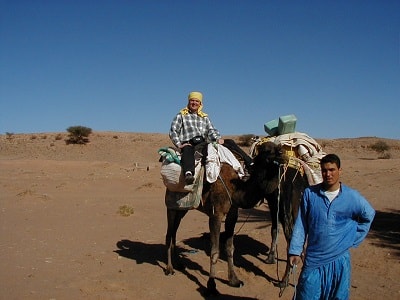
Finally, after three days of shared hiking, we parted ways with the French group in the middle of nowhere, feeling like characters in Lawrence of Arabia. They headed straight toward a distant water tower on the horizon, while we veered left, tracking a small mountain range to its very end. To reach our destination, we had to push fiercely against the wind at a much faster pace. The atmosphere grew serious, and we fell into a deep silence. Mohammed led the camels at a frantic rhythm, Lhoucine seemed lost in his thoughts (perhaps dreaming of Vesoul!), and I focused entirely on not twisting an ankle in the treacherous, rocky terrain. I actually loved this intense atmosphere; I was completely in my element, and I could tell my companions were too.
We stopped for a highly modest lunch in the sparse shade of an isolated tree: a single tomato, an apple, and two small mandarins. Exhausted, we each wrapped ourselves tightly in a blanket and immediately fell into a deep, restorative nap. Mohammed lay directly in the sun, cleverly sheltered from the biting wind in the curve of a small sand dune. The wind continued to howl, and the camel resting next to me grew restless before abruptly collapsing onto its side, missing me by a mere fifty centimeters. Time to wake up!
Mohammed quickly rallied the un-tethered camels, and soon our little caravan was back on the move toward the horizon. At the very end of this long mountain range, we would finally hit the last stretch of road before the deep Sahara. Another camel driver was waiting for us there—a man who had been wandering the desert for a month and a half, yet still possessed boundless, incredible energy!
It is undoubtedly in these kinds of raw, unexpected encounters that everything is truly expressed, stripped bare after long days of profound solitude.
Zagour Hotel, Zagora, Draa Valley, Morocco -
Map