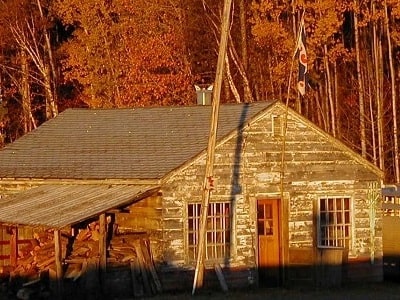
Horse Creek Ranch: On the Route of the Gold Seekers


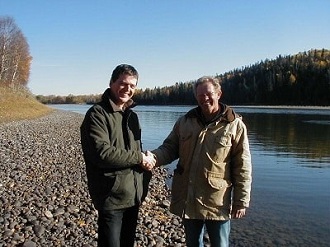
With genuine simplicity and warmth, Esther, the property's cook in her sixties, welcomed us with a firm handshake. "Are you the folks from France we've been expecting? Have you had dinner?" After a long journey through vast open spaces where winter was already beginning to settle in, her greeting was incredibly comforting.
A few days earlier, Siebe had to return to the Netherlands (his home country) to attend to a family matter. His wife, Emmy, went to pick him up at the Edmonton airport, and they weren't expected back until late that night. We would finally meet them the next morning.
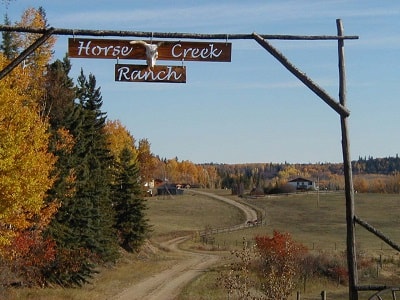
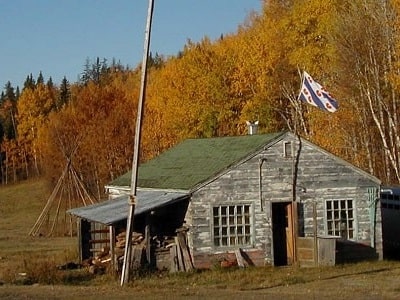
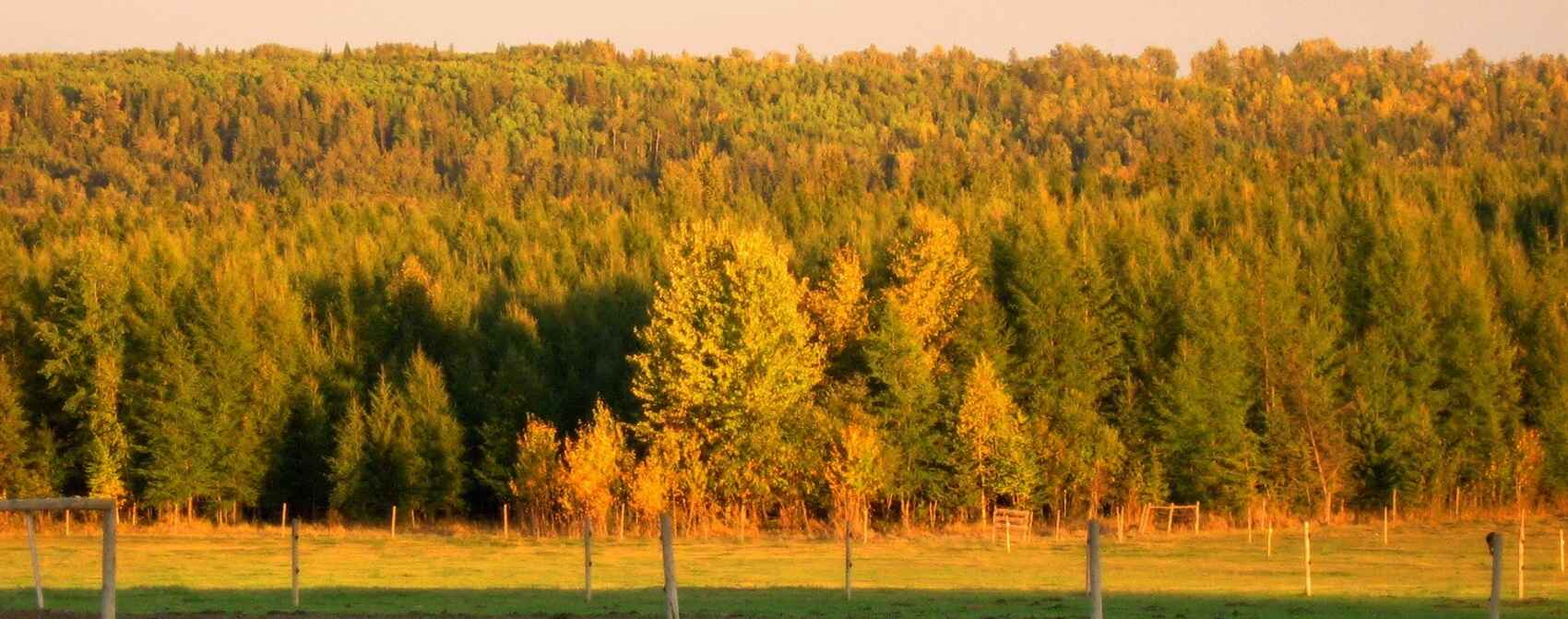
Upon arrival, we were greeted by the quintessential ranch archway, dozens of grazing horses, and striking birch trees that colored the landscape. This is western Canada, set right along the historic route of the gold seekers who once headed for the Klondike in the Yukon. "That was back around 1898, but even today," Esther told us, "my son's friend still goes up there every summer, just like many others!" Perhaps it is gold fever—a captivating mix of untamed nature, the lure of wealth, and the enduring camaraderie among prospectors.
Esther is a wealth of knowledge regarding the history of these adventurers, having spent years working with horses alongside her late husband. Since his passing, she has embraced a quieter life as a cook, yet she still carries the vibrant stories of a rich past. I deeply regretted not having a voice recorder with me, as her tales were endlessly fascinating and brimming with life.
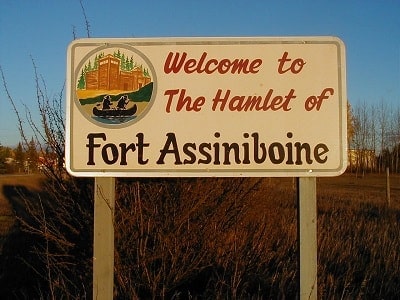
Fort Assiniboine, located just 14 kilometers to the northwest, served as a crucial strategic outpost between 1823 and 1868, home to a bustling Hudson's Bay Company trading post. Situated along the Athabasca River, it is about a two-hour drive from Edmonton, the capital of Alberta. To reach this point from Vancouver, we had crossed British Columbia via Merritt and Kamloops, and then navigated the magnificent Rocky Mountains through Jasper from Valemount. After descending from those imposing, snow-covered peaks, the landscape opened up into the sprawling plains and dense forests of central Canada—a straight, endless road where sticking to the 110 km/h speed limit proved to be quite a challenge.
How did Siebe discover this remote haven? It is a long story, but it primarily stems from the profound realization that one can truly build a life elsewhere. He believed there had to be a place better suited to his inner needs—a place that would allow him to fully realize his potential and thrive. Siebe is deeply convinced of this, and his relentless energy proves it at every given moment.
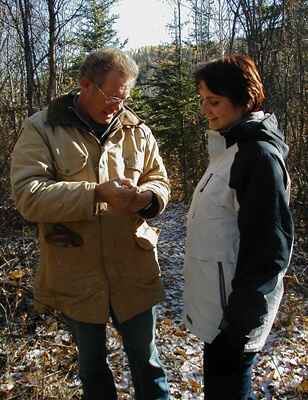
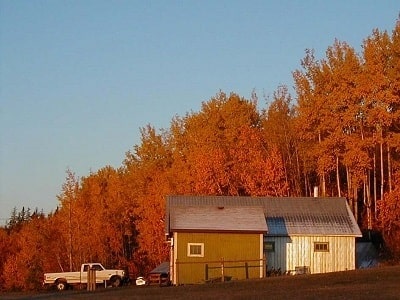
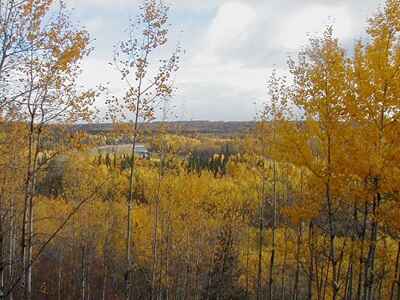
It is mid-October, yet the weather remains beautiful. The leaves still cling to the trees, making this part of Canada incredibly pleasant to experience. There is even a small local restaurant in Fort Assiniboine run by a Cantonese man. Fortunately, the only two words I know in Mandarin—"xiexie" (thank you) and "nihao" (hello)—came in handy. I had picked up those words during my first trip to Australia's Northern Territory, near the small town of Katherine south of Darwin, where the movie "Crocodile Dundee" was filmed.
Cougars, moose, deer, wolves, elk, bears, and beavers—the list of wildlife in this region is staggering. The cougar, or mountain lion, is known to climb trees and wait patiently for its prey, positioning itself over a meter and a half off the ground to mask its scent before leaping down with claws fully extended.
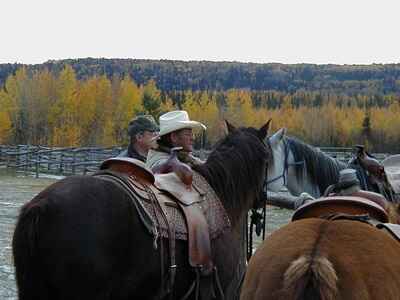
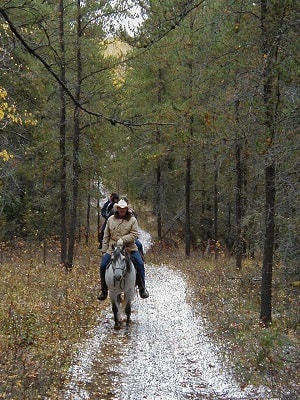
During our horseback ride, we only spotted a few deer and a partridge. Above us, wild geese chattered loudly in the sky, beginning their long migration south toward Mexico for the winter. Siebe expertly reads the local animal tracks: the distinct bear claw marks raked across birch trunks, small shrubs rubbed raw by passing elk, and dozens of trees that beavers have chewed through to wear down their teeth.
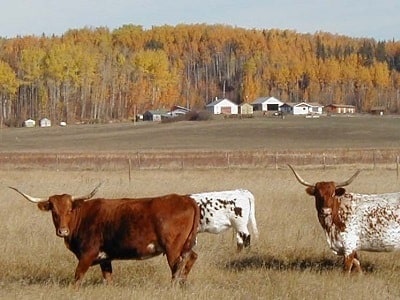
With about thirty horses, fifty head of cattle, and a loyal dog, Siebe and Emmy have absolutely no regrets about leaving their farming life in the Netherlands behind. "There is simply no future for a farmer in the Netherlands," Siebe explained. And what about nostalgia for Gouda cheese, speculoos, or peanut butter? "We can find all of those products right in Barrhead," Emmy replied with a smile. Barrhead is the nearby town where you can find practically everything. It was there that I bought my heavy Canadian jacket and warm fur gloves. The saleswoman, somewhat surprised by our accents, asked what brought us to this remote corner of the country. We told her we were looking for the real Canada—the untamed land of pioneers. How did we find it? "The internet, ma'am! The internet!"
The Athabasca River originates high in the Rockies near Jasper and flows steadily toward the Arctic, cutting through the province of Saskatchewan and the Northwest Territories. In the bitter cold of winter, the river freezes solid as it moves, despite its powerful current.
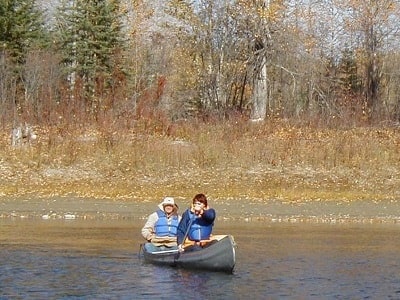
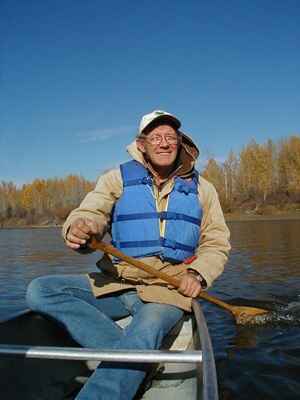
It is on this very river, once paddled by countless Native Americans and early pioneers, that we finally set off. We spent three glorious hours drifting in a canoe under the clear blue sky of the late Indian summer. The Athabasca River is dotted with numerous small islands where only the occasional hunter might disturb the bears, moose, caribou, cougars, and eagles that call this wild place home.
To truly feel Canada is to resonate deeply with the earth, the forest, the river, and the profound, rich silence that envelops you. It is about finally stepping away from the conventional tourist trails and allowing yourself to be welcomed with genuine simplicity, completely free from imposed stereotypes.
Horse Creek Ranch, Siebe & Emmy Brouwer, Fort Assiniboine, Alberta, Canada - Map