Le Rendez-vous: The Generous Welcome of Jean-Claude Berger


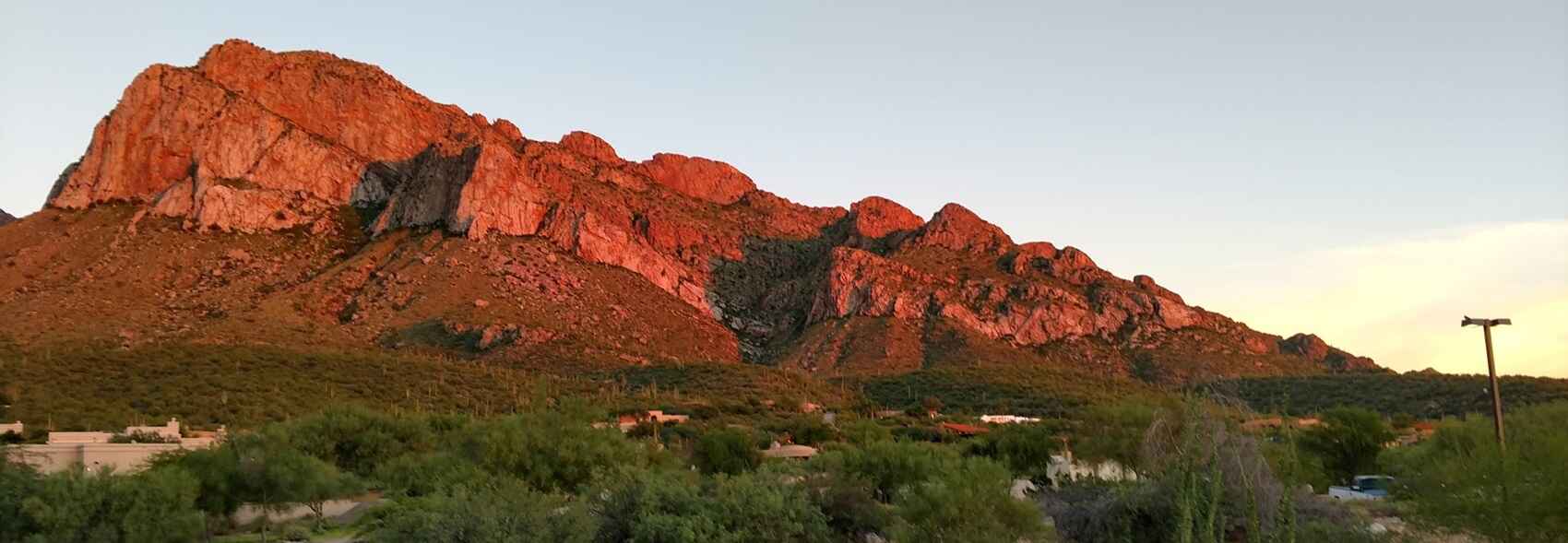
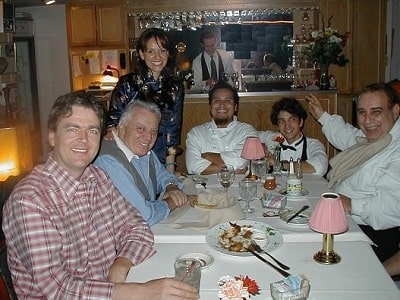
This marks my third visit to Tucson, and the spontaneous, genuine hospitality of Jean-Claude and his wife, Martha, never fails to impress me. Originally from St. Dizier in eastern France, Jean-Claude met Martha, a native of Hermosillo in the Mexican state of Sonora. Together, they run "Le Rendez-vous," an intimate yet incredibly comfortable Bed & Breakfast. It features spacious rooms, a beautiful balcony overlooking Mount Lemmon in the Coronado National Forest, a refreshing swimming pool, and a large terrace boasting sweeping views of Tucson.
Riding in his elegant Mercedes, we head toward Fort Lowell Avenue, where his renowned French restaurant is located. With Jean-Claude, everything feels different; he effortlessly pulls you into his vibrant world, sharing his space and his boundless energy. Though mature in years, he is in phenomenal shape and remains constantly open to new opportunities, investments, and challenges. Spending time by his side is a profound life lesson: think big, seize every chance, and always stay positive and young at heart. He embodies a perfectly organized, mature non-conformism.
We all have "big brothers" in life, and Jean-Claude has certainly become one for me. He seems to have successfully extracted the very best from both France and the USA—two countries that, I’ve always believed, wonderfully complement one another.
On Sunday morning at 8 a.m., the grand Mexican mass takes place at St. Augustine Cathedral. Mariachis, dressed in full traditional attire, beautifully accompany the sermons with their vibrant singing and string instruments. The church is absolutely packed, and I find myself completely immersed in what feels like another country. The profound religious fervor of the faithful is matched only by their passion for the massive, brand-new 4x4s waiting for them in the parking lot. Martha is entirely in her element here; she rediscovers the warmth, humanity, and tenderness that the United States sometimes pushes to the background in favor of business and networking.
Surrounded by family, the joyful cries of children, lively conversations, and spirited singing, we later enjoy a hearty Mexican meal paired with excellent wine. Celebrating life with such beautiful simplicity and spontaneity is a true Mexican specialty.
Nearly half of Tucson's population is of Mexican descent, and the cultural exchange continues to grow. The Mexican border is just an hour's drive away, anchored by the bustling border town of Nogales—a prime marketplace for trade and cultural blending.
Back at the B&B, Jean-Claude takes us to visit his close friend, Father Henry, at the Holy Trinity Benedictine Monastery in the small town of St. David, about an hour from Tucson. We arrive just as Father Henry is stepping out of the small church, dressed entirely in white and wearing a broad, welcoming smile. "Come have coffee," he invites us in flawless French. A radiant man of 46, he runs this intimate monastery—home to seven monks—with profound wisdom and a strong dedication to fulfilling his six-year term as prior. Visitors are welcome to stay within the community for as long as they wish, enjoying full board for a remarkably modest contribution.
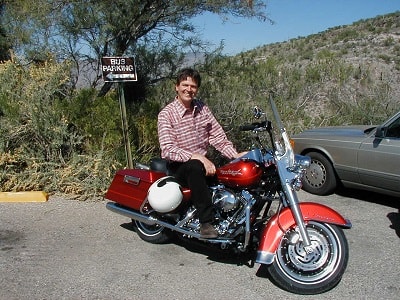
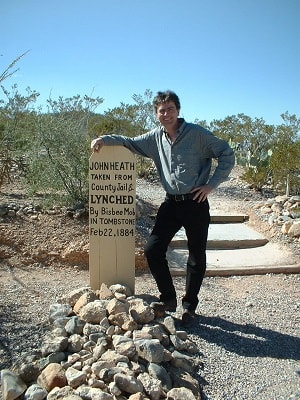
Have you ever heard of Tombstone? This famous Wild West town has served as the iconic backdrop for countless Western films. Today, it acts as a popular gathering spot for traveling bikers, most of whom ride roaring Harley-Davidsons. Walking down the main street, it feels as though little has changed since 1852, save for the modern asphalt that has finally replaced the dry, dusty dirt roads.
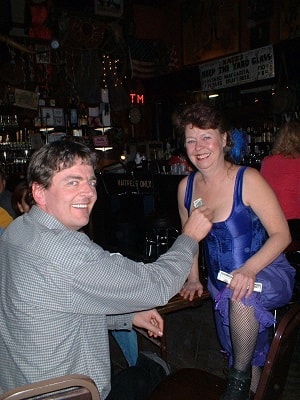
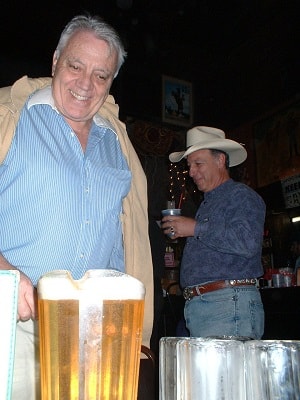
It was incredibly windy the day we visited, and just like in classic Westerns, tumbleweeds rolled dramatically across my path. Cowboys still strolled along the rough wooden sidewalks, and the local saloon was packed to the brim, with beer flowing abundantly to the lively rhythm of country music.
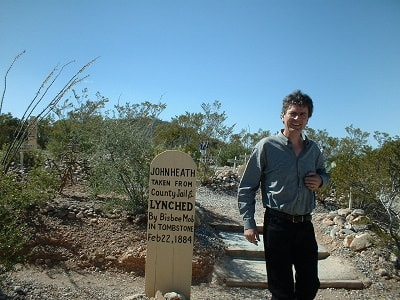
A bit further along lies the historic cemetery where notorious figures like Billy the Kid and the McLaury brothers are buried. Like so many others resting there, they did not die of natural causes. Whether hanged, shot, lynched, or having simply perished of thirst in the unforgiving desert, they have all become an indelible part of American history and its rugged pioneer heritage.
Wondering where to eat in Tucson? Without hesitation, I highly recommend having lunch at 'Sweet Tomatoes'. For a very reasonable price, you can enjoy a vast, high-quality buffet featuring a wide variety of fresh vegetables, delicious pasta, and amazing desserts. Don't miss the warm, square chocolate cake served with rich vanilla cream and melted chocolate. The restaurant is incredibly clean and spacious, the staff is friendly, and the food is consistently excellent. If only such a concept existed in Europe! You can't miss it; it is conveniently located on Stone Avenue, right across from the Tucson Mall.

Over on Oracle Avenue, you will find the 'Bum Steer', an enormous, burgundy-painted barn reminiscent of classic Ohio farms. Inside, it opens up into a massive, three-level saloon decorated like a literal flea market suspended from the ceiling. There is an astonishing, overwhelming quantity of vintage memorabilia everywhere you look. Open for decades, it is absolutely a must-see local institution.
Meanwhile, the more polished, 'clean-cut' cowboys gather at the 'Maverick' on Wilmot Road, near Speedway Boulevard. Everyone there dresses to the nines, creating an atmosphere that is noticeably less relaxed than the friendly, easy-going vibe found in Tombstone.
During my travels in the region, I also met Cherokee locals in North Carolina who embodied a unique 'Bluegrass' cowboy style, leaving a remarkably strong impression on me. They may no longer be young, but they still possess an incredible vitality and a deep, authentic spirit!
What I truly love about Tucson is the sheer scale of everything: the vast width of the roads, the expansive parking lots, the dedicated bike lanes, and the wide sidewalks. I also marvel at the majestic size of the university campuses, the endless desert, and the vast, open sky. This physical expansiveness perfectly mirrors the people's openness to new opportunities. The entrepreneurial spirit of the Gold Rush is still very much alive in the American mindset, remaining a fundamental, driving force of their society.
Meeting Jean-Claude Berger was an absolute privilege; he gifted me with the incredible generosity of a warm, perfectly present welcome. These international exchanges between innkeepers push us to question our habits, learn from one another, and constantly reinvent ourselves. True hospitality is a living, continuously evolving art form. It is entirely up to us to cultivate and discover its magic.
Le Rendez-vous Bed & Breakfast Restaurant, Tucson, Arizona -
Map