
Loop via Ardèche and Saint-Laurent-les-Bains
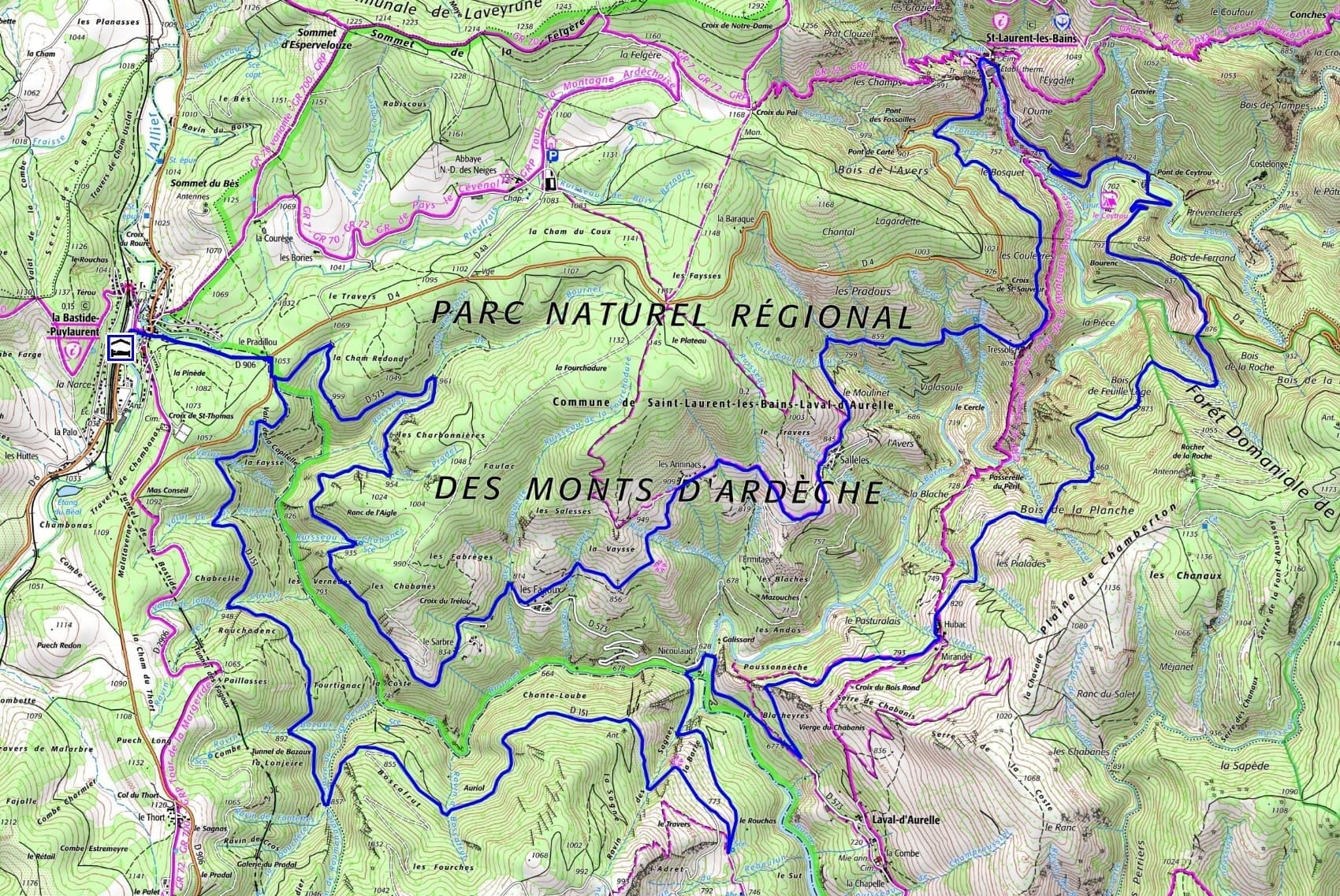
 Distance: 35.2 km. Maximum altitude: 1,051 m. Minimum altitude: 624 m. Total elevation gain: 789 m.
IGN Maps: Largentière, La Bastide-Puylaurent, Vivarais Cévenol (2838OT).
From L'Etoile, head toward the village center, then take the road straight ahead in the direction of Villefort. Continue until you reach the Pradillou roundabout, turn right, and then immediately left onto the D573 toward Les Fagoux. Just before Les Fagoux, turn left toward Saint-Laurent-les-Bains, passing through Les Anninacs, Sallèles, and Tressols. Follow the D4 for about 4 km, crossing the Ceytrou bridge. During the ascent, at a sharp bend, leave the D4 and take the small road on the right toward Hubac. From there, rejoin the D573 leading up to Nicoulaud. Turn left to merge onto the D151 shortly before Alzons. Finally, ascend the D151 back to the Pradillou roundabout and return to La Bastide-Puylaurent.
Print the route - Electric bike rental
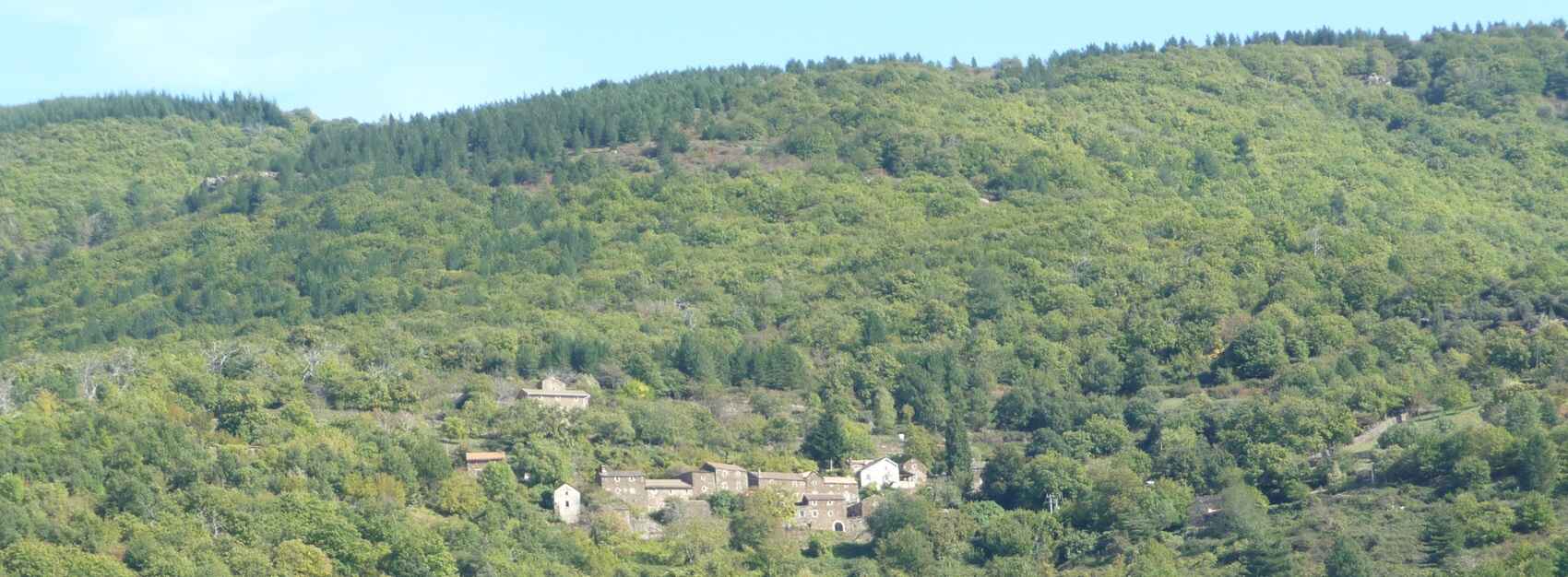
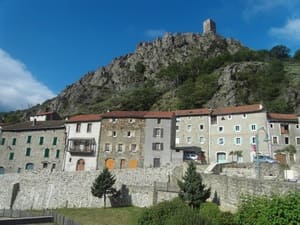
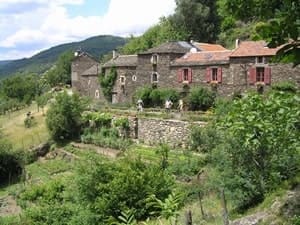
In this historic province, the landscape is divided between Haut-Vivarais in the north and Bas-Vivarais in the south. The Vivarais mountains stand like enduring stone sentinels along the eastern border of the Massif Central. Among them, the tower of Saint-Laurent-les-Bains proudly watches over the village from a rocky spur. Built in the 9th century, it has gracefully withstood the passage of time, with its six floors carefully preserved by the locals as a historical sanctuary. Perched high above the Borne valley, the village is crowned by the granite majesty of the Trois-Seigneurs peak. Its steep slopes tumble down more than a hundred meters to the rooftops, standing as a silent guardian over the valley's inhabitants.
The fame of the Saint-Laurent-les-Bains thermal resort dates back to Roman times, long celebrated for the therapeutic virtues of its 53°C waters. The Source de Saint-Laurent, emerging from the volcanic depths of the earth, has been praised for its healing benefits since the Middle Ages. Today, treatments such as weightless mud baths, thermal pool showers, poultices, and vaporarium sessions are offered within the intimate setting of three thermal establishments. Here, the healing waters flow through underground channels, providing comfort and relief to the many visitors who come seeking wellness each year.
Once, dominating the high mountains of these rugged regions, stood four imposing towers: those of Loubaresse, Borne, Saint-Laurent-les-Bains, and Luc. On dark nights, massive bonfires were lit atop these towers, acting as brilliant beacons that illuminated the countryside from afar. These fires served as vital signals during the disastrous and frequent feudal wars that pitted rival lords against one another. Of these four towers, one has sadly vanished. Located 1,242 meters above sea level on the filled-in crater of one of Vivarais' oldest extinct volcanoes, the Loubaresse tower created a striking, picturesque silhouette against the landscape and had long been respected by time. However, less than five years ago, a man with little regard for ancient ruins ordered it demolished and razed to the ground, repurposing the stones to rebuild the parish church of Loubaresse. The journey from Chambons to Loubaresse—a village historically populated almost exclusively by muleteers, robust and hardy mountain folk known more for their endurance than the graceful elegance of Andalusian muleteers—continues toward the Chat-del-Bos. From there, the road heads to Saint-Laurent-les-Bains, which lies just a league away. Along this stretch, every well-trodden path gradually fades into the wild. Before you lie only open meadows and sweeping fields, through which wandering beasts and adventurous travelers venture off into the unknown.