


Often referred to as the land of hiking due to its unique geographical diversity, Lozère seamlessly blends the vast expanses of the Aubrac with the limestone plateaus of the Causses and the schist valleys of the Cévennes. Characterised by wild beauty and unspoilt landscapes, this sparsely populated region boasts an exceptional flora ranging from dry grasslands to majestic beech and pine forests. The department's low population density has helped preserve an intact natural heritage and numerous legendary walking routes, such as the Stevenson Trail and the Way of St. James. Its wildlife is particularly iconic, illustrated by the return of vultures to the gorges and the presence of large mammals in the forests. It is the ideal destination for a complete immersion in nature, far from the hustle and bustle of city life.
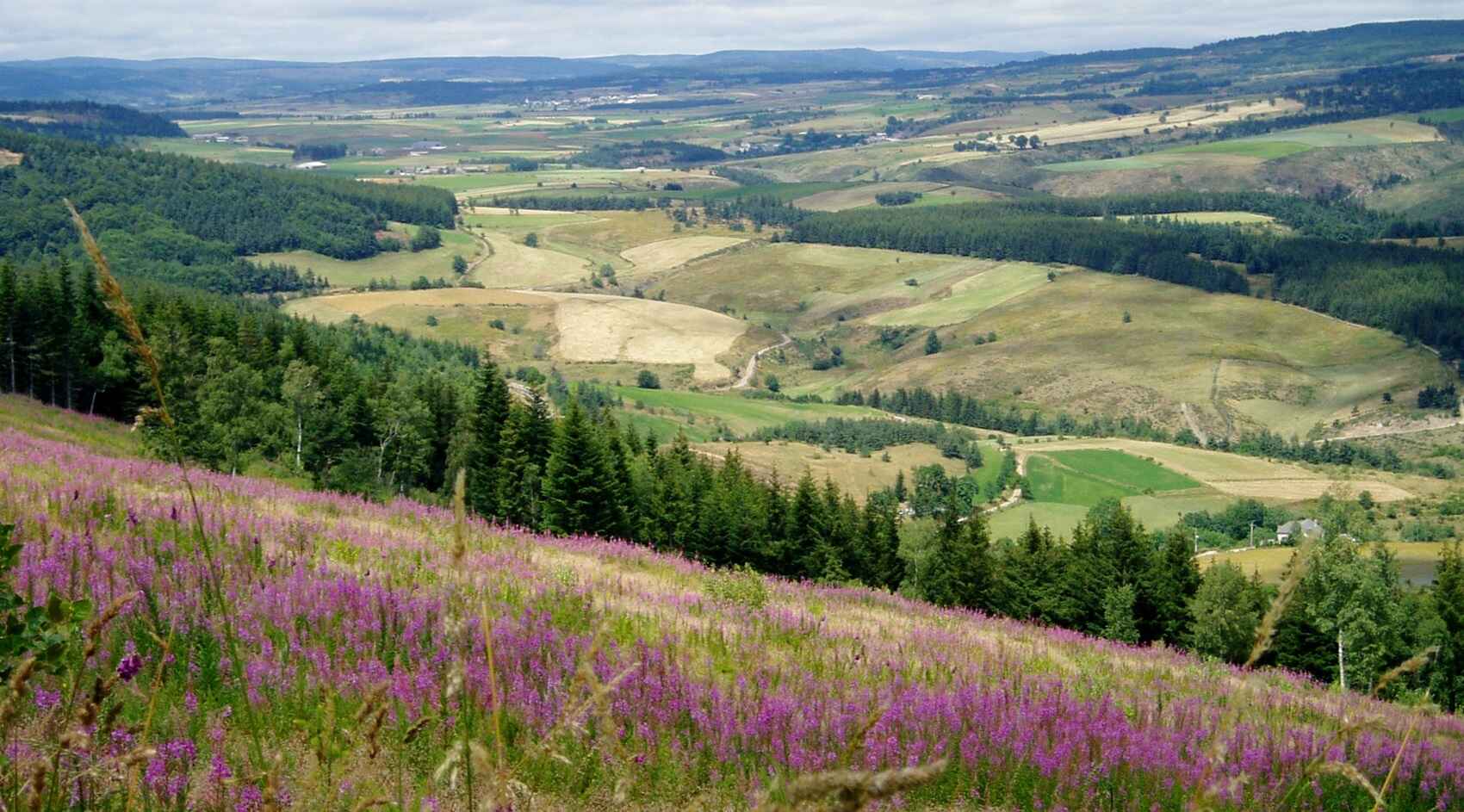
The ancient land of Gévaudan, at the crossroads of major mountain ranges
Lozère: this name may derive from the Gaulish word "lausa", meaning flat stone—a pre-Indo-European word adopted by the Gauls. In French, a "lauze" is a stone slab traditionally used for roofing. Its composition is likely "lausa" and "serre" (with "serre" being a pre-Latin term designating an elongated mountain). The Late Latin "serra", meaning mountain, undoubtedly shares the same root.
A land of contrasts, Lozère is the least populated department in France, yet paradoxically, it boasts the highest average altitude. While economically modest, it offers the reward of exceptionally pure air. Largely free from heavy industry—with the exception of a few historic sites in the north—it unfolds magnificent landscapes, rugged terrain, and countless clear streams that are highly prized by anglers.
On the vast Causses, the rounded hills of the Aubrac, the lush slopes of the Cévennes, or the ridges of the Margeride, an air of eternity breathes everywhere. In the evening, as the sun dips below the horizon, the plateaus merge with the sky, and the herds return to their shelters, visitors are swept up in an idyllic, timeless atmosphere.
This territory corresponds to the ancient Gévaudan and, even further back in time, to the land of the Gallo-Roman Gabali people. Their former capital, Gabalum, is today the peaceful village of Javols, renowned for its archaeological excavations. Accustomed to a harsh climate, the locals are renowned for their hospitality and deep attachment to their homeland. Fundamentally rural, the region has warmly opened up to visitors, offering charming, winding country roads perfectly suited for unhurried exploration.
For city dwellers, a stay here often feels like a bit of an adventure, even though the infamous Beast of Gévaudan has long belonged to the past. A land of legends forged by harsh realities, this region has remained sheltered from major modern pollutions. It is an authentic space that does not reveal itself instantly, but rather must be earned. Far from being a desert, it is a vibrant haven of peace, especially cherished by those seeking true relaxation.
With thousands of kilometres of waymarked trails, the region caters to walkers of all levels. The Cévennes reveal steep terrains and striking panoramas, dominated by Mont Lozère. The Margeride, with its gentler contours, is perfectly suited for long walks or horseback rides, while the Aubrac, with its vast pastures, sustains a strong pastoral tradition.
This carefully preserved environment serves as a sanctuary for remarkable biodiversity: red deer, wild boar, badgers, mouflons, and marmots thrive here alongside eagles, falcons, and owls. The flora is equally impressive, offering an abundance of forest tree species as well as a wide variety of wildflowers and medicinal plants.
Inhabited since prehistoric times, the region has traversed the Gallo-Roman, medieval, and modern eras while preserving a rich heritage. Notably, it was the stage for the Camisard rebellion in the 17th century—a defining event that left a lasting mark on its identity.
Today, the local economy relies primarily on agriculture, tourism, and craftsmanship. Livestock farming plays a prominent role, complemented by diverse agricultural production. Tourism is flourishing thanks to the beauty of the natural sites and the wide array of outdoor activities on offer. The highly dynamic craft sector passionately upholds traditional skills in woodworking, leathercraft, and textiles.
Finally, the rise of organic farming represents a wonderful opportunity, meeting consumer expectations while protecting fragile ecosystems. By combining tradition and innovation, farmers actively contribute to landscape maintenance and the vitality of the local economy, thereby anchoring Lozère in a deeply sustainable approach.